garlic
Ingredient presentation
Garlic is a widely used culinary and medicinal plant known for its strong flavor and health‑related compounds.
Pros
- High in antioxidants, vitamins C and B6
- Antibacterial, antiviral, and antifungal properties
- Supports cardiovascular health by lowering cholesterol and blood pressure
- Boosts immune system function
- May have anti‑inflammatory and cancer‑protective effects
Cons
- Causes bad breath and body odor
- Potential digestive discomfort, heartburn, or gas
- Possible interaction with blood thinners and certain medications
- Allergic reactions in sensitive individuals
- Excessive consumption may lead to low blood pressure
Garlic in Greek Cuisine
Garlic, a staple of Mediterranean cooking, provides pungent flavor and aroma to many Greek dishes.
- Skordalia: a traditional dip made from mashed potatoes or soaked bread, olive oil, and abundant garlic, often served with fried fish or vegetables.
- Marinades: garlic, olive oil, lemon juice, and herbs combine to tenderize and flavor pork, chicken, or lamb before grilling or roasting.
- Soups: garlic enriches the broth of avgolemono (egg‑lemon soup) and fava (yellow split‑pea puree).
- Salad dressing: garlic, olive oil, red wine vinegar, and oregano create a classic vinaigrette for Greek salad.
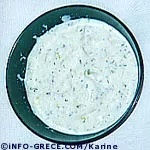
- Condiments: minced or crushed garlic mixed with yogurt, cucumber, and dill forms the essential base of tzatziki.
Typical preparation involves mincing or crushing garlic, then sautéing briefly in olive oil to release flavor, or adding raw garlic directly to cold sauces for a sharper bite. Garlic’s versatility makes it indispensable for depth and richness across Greek culinary traditions.